Utrecht's Visdeurbel: How a Fish Doorbell Captivated 2.7 Million Viewers Globally
Imagine a bustling urban waterway, where beneath the surface, thousands of tiny lives embark on an epic annual journey. Their quest? To reach serene spawning grounds, a fundamental cycle of nature. Now, imagine a digital doorbell, live-streamed worldwide, empowering anyone, anywhere, to assist these migrating aquatic creatures. This isn't a whimsical tale; it's the ingenious reality of the
Visdeurbel Utrecht, or "Fish Doorbell of Utrecht." In 2024 alone, this heartwarming initiative drew an incredible 2.7 million unique viewers from every corner of the globe, transforming passive observation into active conservation and revealing the hidden vitality of urban rivers.
The Annual Odyssey: Why Fish Need a Helping Hand in Utrecht
Every spring, the historic canals and tranquil singels of Utrecht, particularly the iconic Oudegracht, become thoroughfares for thousands of migrating fish. Driven by instinct, these aquatic residents swim towards the Kromme Rijn, a vital natural spawning ground where they can lay their eggs and ensure the continuation of their species. This annual pilgrimage is a critical element of the local ecosystem, a testament to the health and biodiversity beneath the city's charming surface.
However, their journey isn't without significant obstacles. Right in the heart of the city lies the beautiful Weerdsluis, a historic lock that serves as a necessary barrier for boat traffic but an imposing blockade for fish. Unlike modern, automated locks, the Weerdsluis still requires manual operation. All too often, its sturdy doors remain closed, halting the fish migration in its tracks.
For the fish, these delays are more than a minor inconvenience. Trapped and unable to proceed, they expend vital energy battling the currents, becoming increasingly exhausted. This vulnerability makes them easy prey for opportunistic predators, from keen-eyed birds circling above to larger, predatory fish lurking below. The natural cycle is disrupted, and the survival rate of the migrating fish plummets. Recognizing this delicate balance, the need for human intervention became clear, leading to the birth of the
visdeurbel Utrecht – a simple yet profound solution to a complex ecological challenge.
The health of these fish populations is not just about their survival; it's fundamental to the entire urban ecosystem. Fish are integral to keeping the water clean and healthy, acting as natural indicators of environmental quality. They contribute significantly to biodiversity and, by extension, to the overall livability and appeal of Utrecht as a city that values its natural heritage. By aiding their journey, we're not just helping individual fish; we're supporting a thriving, balanced aquatic environment that benefits everyone.
How the Visdeurbel Utrecht Works: A Global Digital Lifeline
The brilliance of the
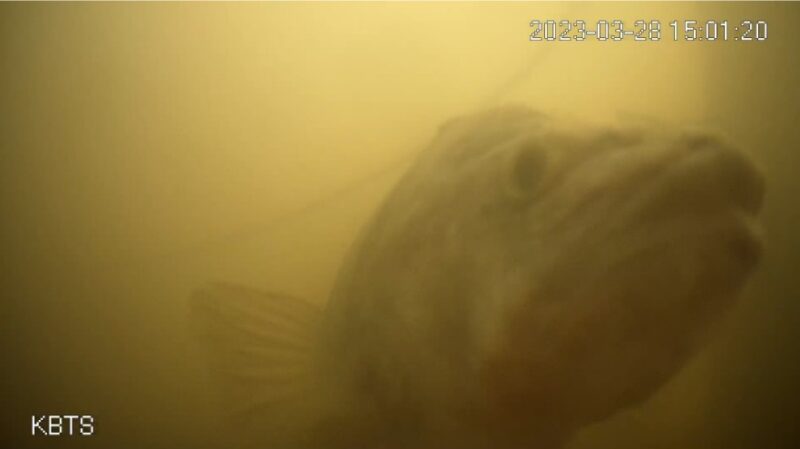
Visdeurbel Utrecht lies in its elegant simplicity and the power of crowd-sourced conservation. To bypass the closed Weerdsluis, a specialized underwater camera is strategically positioned at the base of the lock. This camera streams live footage directly to the official Visdeurbel website, offering a fascinating, unedited glimpse into Utrecht's submerged world.
The premise for viewers is straightforward and engaging: *See a fish? Ring the bell!* When a user spots one or more fish gathering at the closed lock on their screen, they simply click a virtual doorbell button. This action sends an immediate signal to the lock keeper responsible for the Weerdsluis. The lock keeper, monitoring these signals, then assesses the situation. If a significant number of fish have accumulated and the conditions are right, they manually open the sluice gates, allowing the fish to continue their journey upstream to the Kromme Rijn.
This interactive lifeline operates every year from early March through June, covering the peak migration season. The impact of this direct, citizen-powered intervention has been nothing short of extraordinary. The project's immense reach was highlighted in 2024 when the
visdeurbel Utrecht attracted a staggering 2.7 million unique viewers. This audience spanned the globe, from the United States to Brazil, showcasing how a local environmental initiative can capture international imagination.
Why did a "fish doorbell" resonate so deeply with millions worldwide? Perhaps it's the novelty of directly interacting with nature from afar, the immediate sense of purpose and contribution, or simply the heartwarming sight of fish getting a much-needed boost. It democratizes conservation, making environmental stewardship accessible to anyone with an internet connection and a desire to help. This global fascination has also propelled the Visdeurbel story onto international platforms, introducing countless people to the intricate underwater world of the Netherlands and the importance of preserving these vital ecosystems.
Beyond the Bell: Fostering Biodiversity and Awareness
The
Visdeurbel Utrecht is far more than just a mechanism for helping fish pass a lock; it's a powerful educational tool and a catalyst for scientific insight and broader environmental action. By inviting the public to peer beneath the surface of the Oudegracht, the project shatters the common perception that canals are merely utilitarian channels or "just a basin of water." Instead, viewers discover a vibrant, complex underwater ecosystem teeming with life.
This direct, visual engagement fosters a deeper understanding and appreciation for aquatic environments. People learn to identify different fish species – from the sleek pike to the ubiquitous roach and bream – and witness their natural behaviors. This exposure is invaluable for cultivating environmental awareness, particularly among urban populations often disconnected from the natural world. For more insights into how such initiatives empower communities, read
Discover Utrecht's Underwater World: How the Visdeurbel Educates & Empowers.
Furthermore, the continuous monitoring and data collected through the Visdeurbel contribute significantly to scientific knowledge. Researchers gain valuable insights into the types of fish species present in Utrecht's inner-city waterways, their migratory patterns, population densities, and the overall quality of the underwater life. This data is crucial for informing future conservation strategies and urban planning decisions aimed at improving aquatic habitats.
The project highlights a critical challenge: while Utrecht's canals are home to many fish, they often lack sufficient natural shelters and breeding grounds. Features like dead wood, robust water plants, or submerged reefs are scarce, limiting safe havens for fish. The knowledge gleaned from the Visdeurbel helps pinpoint these deficiencies, guiding efforts to implement ecological improvements such as installing artificial habitats or restoring natural vegetation. This collaborative approach ensures that the canals become not just transit routes but flourishing, biodiverse environments. For more on the broader ecological benefits, see
Helping Fish Migrate: Utrecht's Visdeurbel Boosts Biodiversity & Water Health.
Tips for Aspiring Fish Helpers & Future Horizons
If you're inspired to join the global community of fish helpers for the next season of the
Visdeurbel Utrecht, here are a few practical tips to maximize your impact:
*
Be Patient and Observant: Fish don't always appear instantly. Sometimes you might need to watch for a few minutes before a group swims into view. Look for movement against the background of the sluice gate.
*
Identify Clearly: While any fish sighting is helpful, try to identify groups rather than single, fleeting individuals. The lock keeper typically opens the sluice for a noticeable accumulation of fish.
*
Understand the Season: Remember the Visdeurbel is active from early March to June, aligning with the fish migration period. Outside of these months, the camera might still be active, but the 'bell' functionality will be offline.
*
Respect the System: Avoid spamming the doorbell. The system is designed to respond to genuine sightings and ensure the lock keeper isn't overwhelmed with false alarms. Your thoughtful contribution ensures the project's effectiveness.
*
Learn More: Take a moment to learn about common fish species found in Dutch canals, such as bream, roach, perch, and pike. This enhances your viewing experience and connects you more deeply to the ecosystem you're helping.
The remarkable success of the
visdeurbel Utrecht offers invaluable lessons for urban ecological projects worldwide. It demonstrates the immense power of citizen science, where technology bridges the gap between urban infrastructure and natural ecosystems, transforming public engagement into tangible conservation action. This model could inspire other cities facing similar challenges with fish migration or other local environmental issues. Imagine "bird doorbells" for migratory birds blocked by urban structures or "insect hotels" monitored by webcams to engage citizens in pollinator conservation. The possibilities for leveraging simple technology and collective goodwill to foster environmental stewardship are endless. It's a testament to how creative thinking and community involvement can lead to cleaner, healthier, and more biodiverse urban landscapes.
The
Visdeurbel Utrecht stands as a shining example of how a simple, creative idea can spark global interest, foster environmental awareness, and deliver tangible benefits to nature. It's a powerful reminder that even in our bustling urban centers, vital ecological processes are unfolding, and with a little ingenuity and collective effort, we can all play a part in safeguarding them. So, keep an eye out next spring – the fish of Utrecht will be counting on you, and millions of others, to ring their doorbell.